The open home went well. The agent mentions other interested parties and you want to move before the weekend. Then the report arrives: a long PDF full of photos, defect ratings and phrases like “further investigation recommended”. Is that a deal breaker, or just an old house being an old house?
That moment is where most buyers get stuck. A building and pest inspection on the Central Coast is one of the cheapest protections you have in a purchase, but only if you know what the report is actually telling you, what it leaves out, and when you need it in your hands. Here is how we read them for our clients.
You are really getting two reports
A combined inspection covers two separate jobs. The building part looks at the condition of the home and is normally done to Australian Standard AS 4349.1, the standard for pre-purchase inspections of residential buildings. The timber pest part looks for termites, borers and wood decay, and is normally done to AS 4349.3.
Both are visual inspections of the areas the inspector can safely reach. They will not lift floor coverings, move the seller’s furniture, open up walls or climb into a roof void with no safe access. Good reports say clearly which areas were not inspected and why. Read that section first. A clean report on a house where the subfloor and roof space were “inaccessible” is not really a clean report.
Defects are usually grouped as major defects, minor defects and safety hazards. Minor defects are expected in almost any established home, so a long list of them is not alarming on its own. The ones that matter are structural problems, water getting where it shouldn’t, active termites and anything flagged as a safety hazard.
What the report won’t tell you
This one surprises people. A standard building and pest report is not a full health check on the property, and several of the biggest Central Coast risks sit outside it.
- Flood and planning controls. Check the section 10.7 planning certificate from Central Coast Council, which comes attached to the contract. It shows the planning controls on the land, including flood-related controls where they apply.
- Strata buildings. For a unit or townhouse, the inspector looks at your lot. Problems with the roof, facade or shared driveway are common property, so you need a strata report as well.
- Wiring and plumbing. The inspector may note obvious issues, but a licensed electrician or plumber is needed to assess them properly.
- Asbestos. An inspector can flag material that may contain asbestos. Only a specialist and lab testing can confirm it.
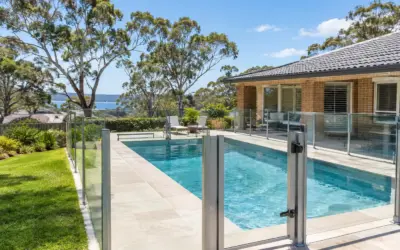
- Pools. Barrier compliance is a separate matter. Look for the pool certificate in the contract.
The defects we keep seeing on the Coast
Every region has its own patterns. These are the ones that come up again and again in reports on homes we look at between Patonga and Lake Munmorah.
Termites where the bush meets the backyard
Termites are active right across the region, but homes backing onto bushland and reserves deserve extra attention. Watch for the phrase “conducive conditions”. It means the inspector found things that invite termites, like garden beds piled against the walls, timber touching soil or a leaking tap keeping the ground wet. These are cheap to fix. Evidence of active termites or past damage is a different conversation, and you want to know whether there is a current termite management system and when it was last serviced.
Salt air on beachside homes
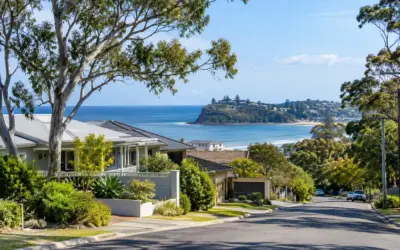
In suburbs like Terrigal, Avoca Beach and Umina Beach, the salty air is hard on metal. Rusting steel lintels above windows, corroded balustrade fixings and tired roof sheeting show up often. A rusted lintel can crack the brickwork above it, so it is worth a builder’s quote rather than a shrug.
Damp around the lakes
Low-lying streets around Tuggerah Lake and Budgewoi can have damp subfloors, poor ventilation and drainage that sends water towards the house rather than away from it. Damp timber is exactly what termites and wood rot like, so these notes in the building report often link straight to the pest report.
Sloping blocks and old retaining walls
Much of the Brisbane Water side is hilly. Point Clare, Woy Woy Bay and Copacabana all have their share of steep blocks. Leaning or cracked retaining walls, blocked weep holes and stormwater issues are common findings. A big failing wall can cost serious money to replace, and sometimes needs an engineer and council approval.
Older fibro and weatherboard cottages
The original holiday cottages and post-war homes still found in many Coast suburbs are often great value. They also tend to bring timber rot, uneven floors from settled stumps and possible asbestos in the old sheeting. None of that rules a house out. It just needs to be priced into your offer.
When you get the report decides how useful it is
For a private treaty sale, you can inspect before exchange or during the cooling-off period. If you are not sure how that window works, or what it costs to pull out, our guide to the NSW cooling-off period for Central Coast buyers covers it. Be careful if the agent asks you to sign a section 66W certificate, which waives your cooling-off rights. Only do that once the inspection is done and you are happy with it.
Auctions are less forgiving. There is no cooling-off when you buy at auction, so the inspection has to happen before auction day. If you are preparing to bid, our article on bidding at a Central Coast auction explains how inspections fit into the lead-up. Yes, that sometimes means paying for reports on homes you don’t end up buying. It is still cheaper than buying the wrong one.
Turning the report into a decision
A report is only useful if it changes what you do next. This is the process we follow with our clients.
- Ring the inspector. Ask which items they would worry about if it were their own money, and what they could not see.
- Sort the findings into three piles: safety hazards, major defects, and normal wear for the age of the home.
- Get written quotes for anything significant, from a builder, roofer, electrician or pest manager as needed.
- Decide whether to renegotiate, ask for a repair, or walk away.
Sellers on the Coast rarely agree to fix things before settlement. A price adjustment backed by real quotes is usually the more realistic outcome. That conversation goes better when it comes from someone who is not emotionally attached to the house. Coordinating inspections and turning the findings into negotiating leverage is part of our end-to-end buyers agent service, so you are not left trying to interpret a technical report on your own at 9pm.
And sometimes the right answer is to walk away. We would rather tell a client that than watch them inherit a problem they could have avoided.
Straight answers about building and pest inspections
What is included in a building and pest inspection?
The building part checks the condition of the home’s accessible areas, including the roof covering, roof space, interior, exterior, subfloor and site features like retaining walls and paths. The pest part looks for termites, borers and wood decay, plus conditions that make an attack more likely. Both are visual, so anything hidden behind walls or furniture is not covered.
Who pays for the building and pest inspection in NSW?
Usually the buyer, because the inspection is there to protect the buyer. Some sellers commission a pre-sale report, which is a useful starting point. Check who the report is addressed to, because your ability to rely on it may be limited if you did not order it.
How much does a building inspection cost in NSW?
The price depends on the size, age and type of property and whether you want building and pest combined. Get the scope in writing before you book, so you know exactly which areas and standards the quote covers. The cheapest report is rarely the best value if it leaves out the subfloor or roof space.
What is the biggest red flag in a home inspection?
Active termites, signs of structural movement such as significant cracking, and ongoing water entry are the findings we take most seriously. A report that lists major areas as inaccessible is also a red flag, because the problems may simply not have been seen.
Do I need an inspection on a newer home or apartment?
Yes. Newer homes can still have building defects, waterproofing problems and termite activity. For an apartment, pair the inspection of your unit with a strata report so you can see the condition of the building and any planned works.
Can I rely on the inspection done for a previous buyer?
Treat it with caution. It was written for someone else, it may be out of date, and the inspector’s obligations are generally to the person who ordered it. If you are serious about the property, commission your own.
If you would like someone in your corner when the reports come back, talk to us about full purchase support from shortlist to settlement. We work on transparent flat fees, and you can reach the team on (02) 4302 4123.