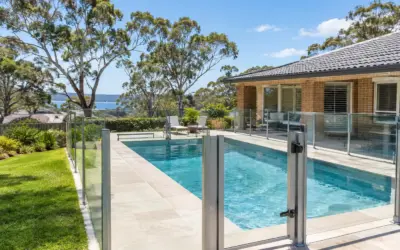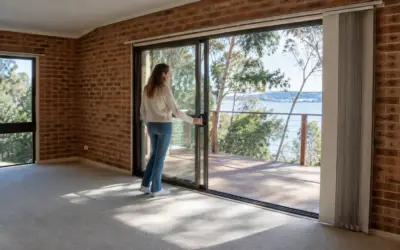

You’ve found a two-bedroom unit in Terrigal with a glimpse of the water. The price feels right, and the agent says other buyers are circling. From the street the building looks tidy. What you can’t see from the street is whether the owners have money set aside, whether the balconies have been leaking for years, or whether a big special levy was voted through at the last meeting. That is the job of a strata report in NSW, and it is one of the documents we read most closely before anyone commits to a unit, villa or townhouse on the Central Coast.
A strata report checks the building’s paperwork, not its walls
Every strata scheme is run by an owners corporation, which is all the owners acting together. It keeps records: meeting minutes, financial statements, insurance policies, the by-laws, letters, quotes and any notices from council. Under the Strata Schemes Management Act 2015, a buyer can inspect those records with the seller’s permission, and the selling agent usually arranges the paperwork for that.
A strata inspector goes through those records (at the strata manager’s office or through an online portal) and writes up what they found. You get a summary of the scheme’s money, its repairs, its arguments and its rules.
What a strata report does not do is look at the physical unit. It won’t tell you about cracked tiles in your bathroom or termites in the garage. For that you still need a pre-purchase inspection, and our guide to building and pest inspection red flags covers what inspectors find in Central Coast homes. For strata property you want both reports. One looks at the bricks, the other looks at the people and the bank balance behind them.
The contract won’t tell you what the minutes will
The contract of sale gives you the basics, such as the strata plan and the by-laws. It rarely tells you what owners have been arguing about, what repairs keep getting pushed back, or how healthy the bank account is. Those details sit in the minutes and the financials, and that is where problems hide.
This catches people out. A buyer reads the contract, sees nothing alarming, and assumes the building is fine. Then a levy notice arrives in the first quarter after settlement.
Seven things we read first in any strata report
The capital works fund against the plan
The capital works fund (people still call it the sinking fund) pays for the big jobs: roofs, repainting, lifts, waterproofing, driveways. Each scheme must have a plan that forecasts what those jobs will cost. We compare the money in the fund with what the plan says is coming. A low balance with big work ahead usually means one thing: owners will be asked to pay more.
Special levies, passed or proposed
A special levy is a one-off charge on top of your normal quarterly levies, raised when the fund can’t cover a job. Look for levies already passed and, just as important, motions that were deferred to “the next meeting”. Who pays a levy depends on when it falls due and how your contract deals with it, so ask your conveyancer before you exchange, not after.
Defects that keep coming back
On the coast, salt air is hard on buildings. We often see minutes mention concrete cancer (where the steel inside concrete rusts, swells and cracks the concrete around it), failing balcony waterproofing and corroded window frames. One mention is normal maintenance. The same item turning up meeting after meeting with “obtain further quotes” next to it is a problem nobody has paid to fix yet.
Disputes and legal action
Check for disputes with the original builder, between owners, or applications to the NSW Civil and Administrative Tribunal (NCAT). Legal costs come out of levies. A long-running fight can also make the building harder to sell later.
Insurance and claims
Make sure the building insurance is current and look at the claims history. Repeated water damage claims tell you something about the building, and they can push premiums up for every owner.
By-laws that change how you’ll use the place
Read these with your own plans in mind. Pets, renovations, parking and holiday letting are the usual sticking points. Holiday letting matters here more than in most places, because in spots like Terrigal, Ettalong Beach and The Entrance some investors are counting on short stays. If that is your plan, get your conveyancer to confirm what the by-laws actually allow.
Notices and orders
Council orders, fire safety notices and anything about cladding all need a closer look. They usually come with a cost attached and a deadline.
Central Coast strata buildings have their own patterns
Around the beaches and the lakes, in places like Long Jetty, Woy Woy and The Entrance, you’ll find plenty of older brick walk-up blocks. Many are solid. Some have decades of deferred work catching up with them, and the minutes usually show it. Newer towers around Gosford and Terrigal bring different questions, often about defects from construction and whether the owners have chased the builder.
Then there are the small villa and townhouse schemes spread through suburbs like Bateau Bay, Kanwal and Umina Beach. Some of these have no strata manager at all. An owner keeps the records, sometimes well, sometimes in a shoebox. A strata report on a small scheme can come back thin, and a thin report is not the same as a clean one. If the records are patchy, ask the seller direct questions in writing about levies, repairs and disputes.
Low-lying schemes near the lakes are worth a second look as well. Minutes are often where you find out whether the car park or ground floor units have taken water before.
Order it before you exchange, or inside the cooling-off period
Timing matters more than most buyers expect. If you are buying at auction there is no cooling-off period, so the strata report needs to be done before auction day. If you are buying by private treaty you can order it before exchange, or exchange with a cooling-off period and use that time. Our guide to the cooling-off period in NSW explains how that window works and what it costs to pull out.
Your conveyancer or solicitor can order a strata report, or you can order one directly from a strata inspection company. Allow a few business days for it to come back, and longer if the strata manager is slow to give access.
A red flag doesn’t always mean walk away
Finding a problem in a strata report is useful. It gives you something to act on. A known special levy can be priced into your offer, or you can ask the seller to pay it before settlement. A scheme with low funds but a sensible plan and a committee that is getting on with the work may still be a good buy. What should worry you is a building where the problems are known, nothing is being done, and the owners keep voting to put it off.
This is the part of buying a unit where an experienced second reader pays off. When we act for homebuyers and investors, we read the strata records with the contract and the inspection report side by side, then use what we find in the negotiation. You can see how that fits into our buyers agent services on the Central Coast.
Common questions about strata reports in NSW
Is a strata report necessary?
It isn’t a legal requirement, but buying a unit, villa or townhouse without one means committing to a share of a building you know very little about. The report is the only practical way to see the scheme’s finances, repairs and disputes before you are locked in. We treat it as essential for any strata purchase.
How much does a strata report cost in NSW?
Expect to pay a few hundred dollars, depending on the provider and how large and complex the scheme is. Big schemes with years of records take longer to review. Against the cost of one unexpected special levy, it is cheap.
What are the red flags in a strata report?
The big ones are a low capital works fund with major work coming, special levies passed or deferred, the same defect appearing in minutes year after year, legal disputes, and repeated insurance claims. Council orders or cladding notices also need a closer look before you go further.
How can I find strata plans for free in NSW?
A copy of the strata plan and by-laws is normally attached to the contract of sale, so ask the selling agent for the contract. The NSW Government’s online strata search also shows basic scheme details such as the strata plan number and managing agent. The minutes and financial records still need a proper strata inspection.
Do I need a strata report and a building inspection?
Yes, for most strata purchases. The strata report covers the records of the whole scheme, while a building inspection looks at the physical condition of the unit and, where accessible, the common areas. Each one picks up problems the other misses.
Can I get a strata report after exchanging contracts?
You can during a cooling-off period, and if the report turns up something serious you can still pull out, though you forfeit part of the deposit. Once the cooling-off period ends, or if you bought at auction, you are bound by the contract whatever the report says. That is why we get it done first.
Looking at a unit or townhouse on the Central Coast and want a second set of eyes on the strata records before you commit? Talk to us about our flat fee buyers agent services, or call (02) 4302 4123.